The Psychological Impact of Appearance in Modern Britain
We live in a visually driven culture. Social media, professional environments and even dating culture place increasing emphasis on first impressions. For many people, concerns about perceived flaws — whether minor asymmetry, skin pigmentation, scarring or signs of ageing — can quietly affect self-esteem over time.
These concerns are rarely about perfection. They are more often about alignment — the desire for one’s outward appearance to reflect how one feels internally.
When that alignment feels off, it can lead to:
Reduced self-confidence
Social withdrawal
Heightened self-consciousness
Body image distress
Low mood or anxiety
Addressing a feature that causes ongoing distress can therefore be more than aesthetic; it can be restorative.
Boosting Self-Confidence Through Targeted Enhancement
One of the most frequently reported benefits of cosmetic procedures is increased self-confidence. Treatments such as dermal fillers, anti-wrinkle injections, skin resurfacing or minor surgical corrections can subtly refine features without altering identity.
The goal is not transformation, but enhancement.
When individuals feel more comfortable in their appearance:
They may engage more confidently in professional settings
Social anxiety can reduce
They may feel more at ease in photographs and social events
Self-criticism often decreases
Confidence, once restored, tends to influence multiple areas of life — from career progression to personal relationships.
Improving Mental Health and Emotional Wellbeing
Mental wellbeing is closely linked to body image. Research consistently shows that persistent dissatisfaction with appearance can contribute to anxiety and depressive symptoms.
When a carefully considered cosmetic treatment alleviates a long-standing insecurity, patients often report:
Reduced negative self-talk
Improved mood
Increased motivation
Greater sense of control
There is a strong psychological component to feeling seen and comfortable in one’s own skin. The act of choosing a treatment — after informed consultation — can itself feel empowering.
However, ethical practitioners emphasise the importance of screening for underlying psychological conditions such as body dysmorphic disorder. Cosmetic treatment should complement mental wellbeing, not attempt to replace psychological support where needed.
Rejuvenating Ageing Skin and Restoring Vitality
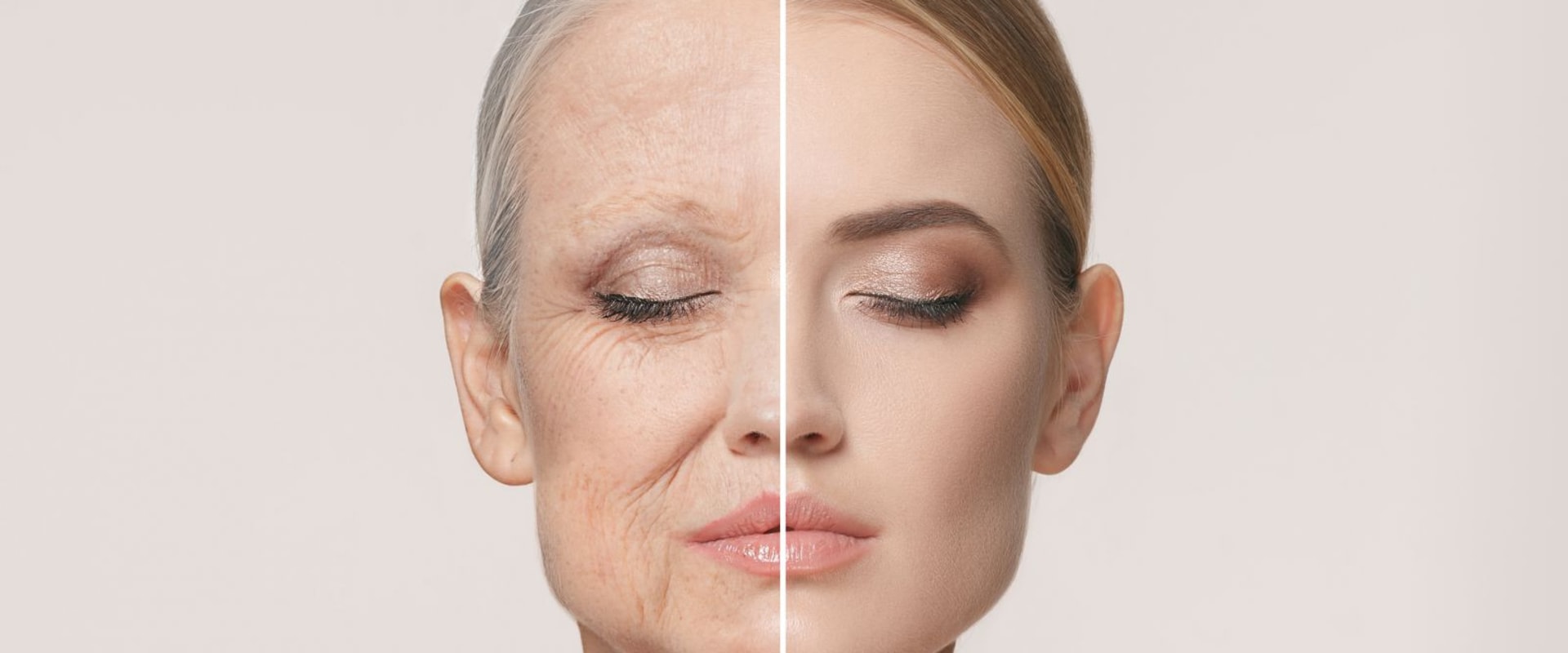
Ageing is natural, but for many people, visible signs of ageing can feel disconnected from how energetic or capable they still feel.
Common concerns include:
Fine lines and wrinkles
Loss of skin elasticity
Volume loss in the mid-face
Pigmentation and uneven skin tone
Dull complexion
Modern aesthetic treatments such as:
Hyaluronic acid fillers
Collagen-stimulating injectables
Laser resurfacing
Medical-grade skincare
Chemical peels
can restore brightness and structure without creating an artificial appearance.
The psychological benefit here lies in congruence — when your reflection aligns more closely with your internal vitality, it often enhances motivation and social confidence.
Enhancing Relationships and Social Interaction
Self-perception influences behaviour. When individuals feel confident, they typically:
Maintain better eye contact
Smile more naturally
Engage more openly in conversation
Present themselves more assertively
These subtle behavioural shifts can strengthen romantic relationships, improve workplace dynamics and deepen social connections.
Importantly, cosmetic treatments should never be undertaken to please others. However, when done for personal reasons, the emotional ripple effect can be significant.
Correcting Physical Discomfort and Functional Concerns
Some cosmetic procedures also carry functional benefits. For example:
Breast reduction surgery may alleviate chronic back or neck pain
Rhinoplasty can improve breathing difficulties
Eyelid surgery (blepharoplasty) may enhance peripheral vision
Scar revision can reduce tightness or discomfort
In such cases, the quality-of-life improvement is both physical and emotional.
Relief from discomfort often increases activity levels, improves posture and reduces daily frustration.
The Overlooked Foundation: Gut Health and Skin Confidence
While external treatments play a visible role, true wellbeing is never skin-deep. Increasingly, research highlights the connection between gut health, inflammation, skin conditions and mood.
The gut-skin axis demonstrates how imbalances in digestive health can contribute to:
Acne and breakouts
Rosacea
Eczema
Dull or inflamed skin
Fatigue and low mood
Optimising internal health can enhance the longevity and effectiveness of aesthetic treatments.
For those seeking a more holistic approach, working with a qualified gut health practitioner can provide foundational support. At Gut Philosophy, Elena — a qualified and experienced practitioner — focuses on evidence-based gut optimisation to support overall wellbeing, hormonal balance and skin clarity. Integrating internal health strategies alongside aesthetic care creates a more sustainable path to confidence.
Cosmetic enhancement works best when supported by good nutrition, balanced microbiome health and reduced systemic inflammation.
Empowerment Through Informed Choice
A key psychological benefit of cosmetic enhancement is autonomy.
Choosing to refine one’s appearance is not inherently superficial; it can be a form of self-agency. When decisions are:
Fully informed
Ethically guided
Realistic in expectation
Performed by reputable UK practitioners
they become expressions of self-care rather than insecurity.
Empowerment stems from intention — not impulse.
The Importance of Responsible Practice
For cosmetic procedures to genuinely improve quality of life, they must be delivered safely.
When considering treatment in the UK:
Ensure the clinic is CQC registered (where applicable)
Verify practitioner qualifications
Avoid heavily discounted “quick-fix” offers
Prioritise consultation over immediate treatment
Responsible aesthetic medicine is collaborative and centred on patient wellbeing, not sales.
Long-Term Quality of Life Benefits
When approached responsibly, cosmetic enhancements can:
Improve self-image
Reduce appearance-related anxiety
Support professional confidence
Enhance personal relationships
Encourage healthier lifestyle habits
Complement internal wellbeing strategies
The most successful outcomes are subtle and natural — leaving others unsure what has changed, but noticing a renewed presence.
A Balanced Perspective
Cosmetic procedures are not a solution to every personal challenge. They are tools — powerful when used appropriately, ineffective when used as emotional avoidance.
The healthiest approach combines:
Realistic expectations
Psychological self-awareness
Professional medical advice
Internal health optimisation
External refinement where desired
When these elements align, cosmetic enhancement can indeed contribute meaningfully to quality of life.
Final Thoughts
Cosmetic enhancements are no longer confined to notions of vanity. In modern Britain, they represent a nuanced intersection between science, psychology and personal empowerment.
By addressing physical concerns, boosting self-confidence and supporting emotional wellbeing — especially when paired with internal strategies such as gut health optimisation — aesthetic treatments can form part of a broader, holistic approach to living well.
The true goal is not perfection.
It is comfort, confidence and congruence — feeling at ease in your own skin, inside and out.