Exosomes, polynucleotides and PRP for hair loss
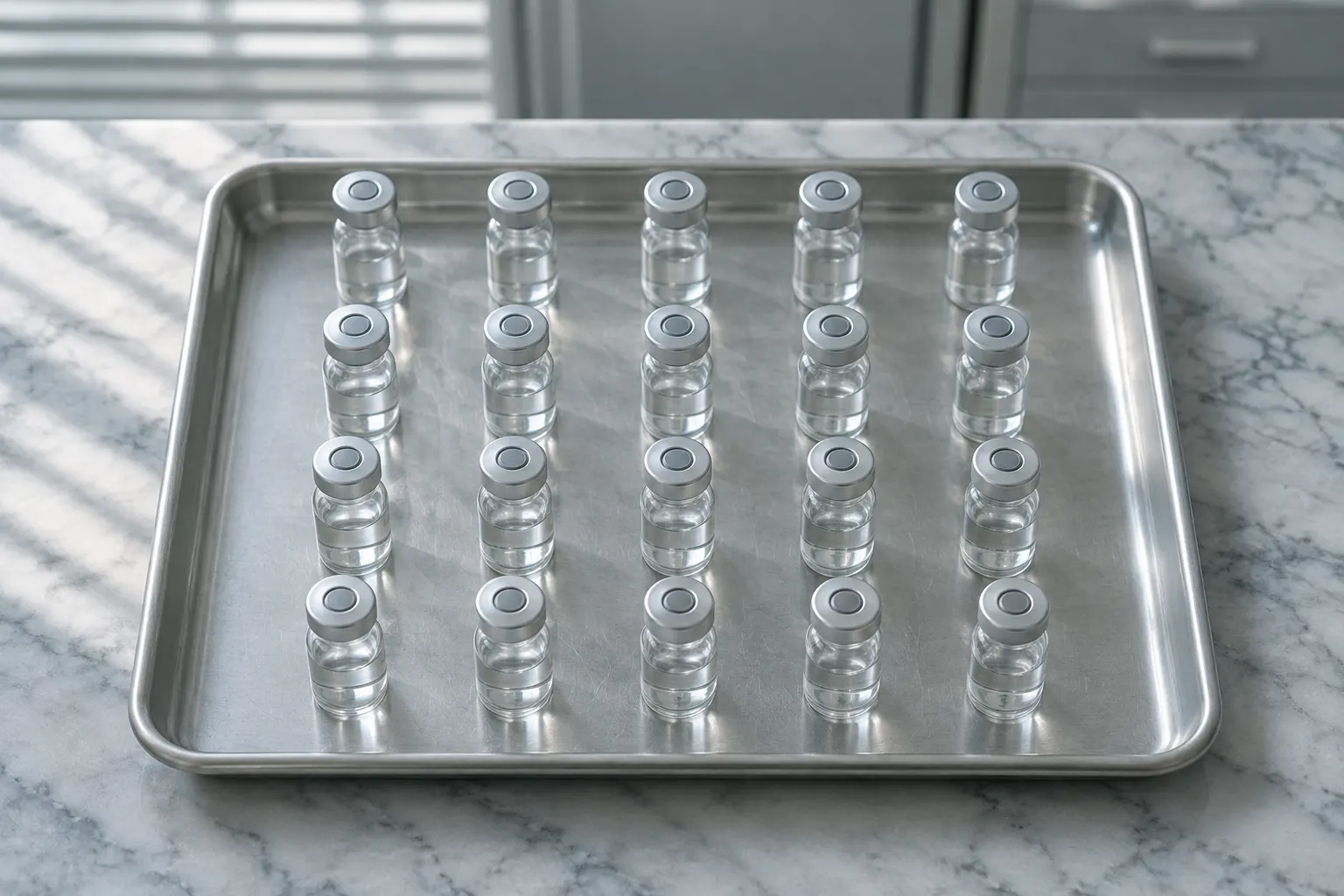
PRP uses a person's processed blood and usually involves repeated scalp injections. Polynucleotide treatment generally uses a prepared injectable product, commonly given as a short initial course. Exosome protocols vary most, including the route and product used. Published schedules are not interchangeable: diagnosis, product instructions and clinician assessment determine whether treatment is appropriate.
Nothing in this guide is a recommendation of a clinic, practitioner or treatment. It explains how three regenerative approaches to hair-loss treatment are commonly structured, so that published course descriptions can be read without treating them as proof of suitability, effectiveness or safety.
What is being compared
Exosomes, polynucleotides and platelet-rich plasma, usually shortened to PRP, are often grouped together in hair-loss marketing because each is presented as a regenerative approach. That label can obscure important differences. They do not begin with the same material, require the same preparation, or have a single shared course timetable. A comparison is therefore most useful when it starts with what happens in the appointment rather than with a promise about hair growth.
PRP is made from the patient's own blood during the appointment. Blood is drawn, processed to concentrate selected components, then the resulting preparation is placed into the scalp by the method used by the treating clinician. Polynucleotide treatment generally involves an injectable preparation supplied for clinical use, administered to the scalp in a series of injection points. It is not a blood-processing procedure for the patient at that visit.
Exosome treatment needs especially careful description. "Exosome" may be used for products with different stated origins, preparation processes, contents and intended routes of application. A provider should specify whether a product is applied to the skin, introduced after another procedure, or injected, rather than relying on the umbrella term alone. The route affects what the session involves and the questions that should be answered before consent.
Hair loss is also not one condition. Pattern hair loss, alopecia areata, scarring alopecia, traction-related loss, breakage and shedding after illness or stress can look similar at first. A course schedule cannot establish the cause. The meaningful comparison is between clearly described protocols after an appropriate assessment, not between treatment names alone.
What a PRP hair-loss course involves
A PRP appointment has a distinct first stage: venepuncture, meaning blood is taken from the patient. The sample is then processed, commonly by centrifugation, to create the preparation intended for use. The clinical team should be able to explain what preparation system is being used, who processes the sample, and whether the proposed treatment is injection-based. The administration stage may involve multiple scalp injections across the area being treated.
Because PRP is prepared from the individual's blood, the appointment length and practical steps may differ from a session using a supplied injectable product. It may also be relevant to disclose medicines, bleeding history, infections, scalp inflammation and conditions affecting blood or platelet function. These are assessment issues, not a checklist that determines eligibility without a clinician.
Initial PRP courses are commonly described as several sessions with intervals measured in weeks, followed by a review and, in some protocols, maintenance sessions. There is no single interval that can be lifted from one provider's page and applied to every PRP treatment. Preparation method, treatment goal, diagnosis and the practitioner's protocol can all alter the schedule. A quoted interval should therefore identify whether it is an initial-course interval or a maintenance interval.
A useful published description separates the number of initial sessions from the later review plan. It should also say what counts as a session. For example, a blood draw and scalp administration on one visit is one treatment appointment, whereas a consultation, photography and procedure are different events. That distinction helps readers compare practical commitments without assuming equivalent clinical outcomes.
What a polynucleotide hair-loss course involves
Polynucleotides are generally described in aesthetic practice as injectable preparations. In a scalp protocol, the appointment usually centres on assessment, consent and a series of small injections to the planned area. Unlike PRP, there is ordinarily no blood draw and no same-visit processing of the patient's sample. The exact product, its instructions for use and the injector's protocol matter because the broad term "polynucleotides" does not itself state dose, injection technique or timetable.
Published courses often set out an initial run of sessions separated by weeks, then a less frequent maintenance arrangement. Such wording is useful only when the initial and maintenance phases are kept separate. A reader should not interpret a maintenance interval as the expected gap between the first sessions, or treat a short-course description as a universal standard. In Marylebone, Mesglo's polynucleotide hair treatment page describes three to four scalp sessions at intervals of three to four weeks, followed by maintenance every four to six months.
In Marylebone, Mesglo publishes a course of three to four polynucleotide scalp sessions spaced three to four weeks apart, with maintenance every four to six months, on its own treatment page. That is an example of a provider stating both phases of its own protocol. It does not establish that this schedule is suitable for another person, another product or another type of hair loss.
The most informative course description names the product category, states how many initial sessions are proposed, gives the interval between them, and explains when the plan will be reviewed. It should also distinguish scalp treatment from treatment of facial skin or another body area. A polynucleotide schedule published for a different indication should not be assumed to apply to hair loss.
| Question to ask about a stated course | Why the answer changes the comparison |
|---|---|
| Is this the initial course or maintenance? | Initial sessions are often closer together than later appointments. |
| What is administered and by which route? | The material and route distinguish PRP, injectable polynucleotides and varied exosome protocols. |
| What diagnosis is the schedule intended to address? | Hair-loss causes differ, so a timetable alone does not show relevance. |
| When is response reviewed? | A review point is different from a promise that further sessions will be required. |
Why exosome course intervals are harder to compare
Exosome treatment descriptions are less readily comparable because "exosomes" may not tell the reader enough about the product or procedure. An exosome is commonly described as a small extracellular vesicle. In practice, pages using the term may refer to preparations with different sourcing, processing, storage, claimed contents and delivery methods. Some descriptions may pair a topical preparation with a procedure intended to create channels in the skin, while others may describe scalp injection. These are not interchangeable appointment formats.
A course interval is meaningful only after the product and route are clear. A schedule that follows a needling procedure may be framed around skin recovery and the protocol for that procedure. An injection-based protocol raises a different set of questions about administration and product status. A plan that says only "monthly exosomes" leaves too much unspecified to compare with PRP or polynucleotide injections.
Regulatory language requires care here. The Medicines and Healthcare products Regulatory Agency has responsibilities for regulating medicines and medical devices in the United Kingdom, but a treatment label in advertising does not by itself establish a product's regulatory classification or status. A provider should be able to identify the exact product and explain the basis on which it is supplied and used. The US Food and Drug Administration has also issued public safety communications concerning exosome products. A United States communication is not a statement of United Kingdom law, but it is a reason not to assume that all products using this label have the same oversight or evidence base.
For comparison purposes, an unspecified exosome course should be marked as incomplete information rather than placed on a timetable beside PRP. The necessary details are the product identity, route, session count, interval, accompanying procedure, review point and the reason that approach is proposed for the individual's diagnosed hair or scalp condition.
A screenshot rule for comparing intervals
The following rule is designed for reading a treatment page, consultation note or directory entry. It does not decide whether a treatment should be undertaken. It separates a complete description of timing from a promotional statement that cannot be meaningfully compared.
Compare a hair-loss course only when five items are stated: the material used, the route of administration, the number of initial sessions, the gap between those sessions, and the point at which the plan is reviewed. If any item is missing, record the interval as not comparable.
For PRP, "material used" should indicate that the preparation comes from the patient's blood and should not obscure whether the stated programme includes injection. For polynucleotides, the description should make clear that the timetable relates to scalp treatment rather than another indication. For exosomes, the product and route must be explicit before the interval can be understood.
The rule also guards against a common reading error: confusing a course with an outcome. "Three sessions at monthly intervals" describes attendance timing. It does not say that three sessions will change hair density, stop shedding, prevent progression or remove the need for established medical treatment. Similarly, a maintenance statement describes a provider's ongoing protocol, not evidence that every patient needs the same repeat arrangement.
Before comparing the burden of different courses, note practical stages beyond the procedure itself. These can include consultation, photographs for monitoring, blood collection for PRP, scalp preparation, aftercare and review. Ask whether the stated interval is counted from the procedure date or from a review appointment. Clear records make a later discussion about change, side effects or altered plans more reliable.
Assessment, consent and claims about hair growth
A course description should follow, not replace, assessment. The NHS advises speaking to a GP if worried about hair loss, particularly where loss is sudden, patchy, accompanied by scalp symptoms, or affecting wellbeing. A clinician may need to consider medical history, recent illness, medicines, nutrition, hormonal factors, styling practices and signs of inflammatory or scarring disease. Some causes need medical investigation or specialist management rather than a cosmetic procedure timetable.
At a consultation, ask what diagnosis or working diagnosis is being considered and what features support it. Ask what photographs or measurements, if any, will be used to monitor change. Baseline photography can document appearance, but it does not turn a variable outcome into a guarantee. Ask what adverse effects, uncertainty and alternatives are relevant to the particular procedure. Those answers should be specific enough to distinguish temporary procedure effects from a claim about the underlying hair-loss condition.
Advertising claims deserve the same separation. A statement that a course includes three appointments is administratively verifiable. A statement that it will regrow hair or work for a named diagnosis is a clinical claim requiring appropriate substantiation. The Advertising Standards Authority's role includes applying the UK advertising rules to claims in advertising. A polished before-and-after image, a treatment name or a fixed interval does not by itself demonstrate that a claim is supported.
Do not use a directory badge, published timetable or paid entry as proof of clinical suitability. A listing standard can confirm only the checks it actually says it has completed. It cannot diagnose hair loss, validate every future claim, or substitute for individual consent and clinical judgement.
Limits of this comparison
This reference covers the structure of treatment courses and the meaning of intervals between sessions. It does not compare effectiveness, safety, product quality, clinical evidence, practitioner skill, eligibility, outcomes or prices. It does not advise a person to have, avoid, start, stop or combine any treatment. It is not a substitute for assessment by an appropriately qualified healthcare professional.
It also does not apply a single schedule to all kinds of hair loss. A person with new rapid shedding, discrete bald patches, pain, itching, scaling, scarring, infection signs, pregnancy-related changes, a known bleeding problem or a medication question may need an assessment route that cannot be determined from a cosmetic treatment page. People who are considering PRP, injections or an accompanying scalp procedure should disclose relevant health information to the clinician treating them.
Terminology can be imprecise. "Regenerative", "hair rejuvenation", "scalp booster" and similar phrases are not diagnoses and may not identify a consistent material or route. Where a provider does not identify the product, procedure and schedule, the correct conclusion is not that the option is better or worse. It is that the course cannot yet be compared on a like-for-like basis.
Finally, this is not a provider directory or a recommendation. Not naming a provider means it has not been assessed here. Inclusion in any external directory, a paid listing, social-media visibility or a stated course schedule should not be read as an endorsement of a business or a treatment.
Questions readers ask
How does a PRP hair-loss session differ from a polynucleotide session?
PRP usually starts with blood being drawn from the patient and processed before scalp administration. Polynucleotide treatment generally uses a prepared injectable product and does not normally require same-visit blood processing. Both may involve multiple scalp injection points, but the material, preparation and assessment considerations are different.
Are PRP sessions always one month apart?
No. PRP protocols often describe an initial group of sessions separated by weeks, but there is no universal spacing rule. The preparation method, diagnosis, clinical assessment and provider protocol can affect the plan. Check whether the published gap refers to initial sessions, a review, or longer-term maintenance appointments.
Can an exosome timetable be compared directly with PRP?
Only if the exosome product and route of administration are clearly identified. Exosome descriptions can cover differing products and procedures, including topical use alongside another procedure or injection-based treatment. Without those details, a stated interval does not describe a like-for-like clinical commitment with a PRP appointment.
Does a maintenance plan mean treatment will definitely be needed indefinitely?
No. A maintenance statement is a provider's proposed protocol, not a prediction of an individual's future need or result. Ask what will be assessed at review, what evidence would support continuing, and whether the plan changes if the diagnosis, scalp condition or treatment response changes.
What should be stated before I compare course lengths?
Look for five items: what material is used, how it is administered, the number of initial sessions, the gap between those sessions, and when the plan is reviewed. For exosome treatment, product identity and route are particularly important. If these details are absent, the published schedules are not meaningfully comparable.
Do these treatments diagnose the cause of hair loss?
No. A procedure name and course timetable do not diagnose hair loss. Hair shedding and thinning can have several causes, including conditions that need medical assessment. The NHS advises speaking to a GP when worried about hair loss, especially where it is sudden, patchy or accompanied by scalp symptoms.
Does a fixed course prove that hair will regrow?
No. A fixed number of sessions describes scheduling, not a guaranteed clinical outcome. Claims about regrowth, density or prevention of further loss are different from a statement of appointment timing. They should be discussed in relation to the person's diagnosis, evidence, uncertainties, alternatives and monitoring plan.